




Jump to Section:
In short: A PPC specialist plans, launches and optimises pay-per-click campaigns on Google Ads, Microsoft Advertising and paid social, turning ad budgets into traffic, leads and sales. Success takes hands-on platform skills, confidence with data such as ROAS and CPA, and strong commercial awareness.
Paid media is one of the most measurable areas of marketing, and every business running ads wants to know whether that spend is making money. That’s why skilled PPC specialists are always in high demand.
I’ve recruited exclusively in paid media since 2021, placing over 130 PPC and performance marketing professionals with brands and agencies across the North West as part of our specialist marketing recruitment team. Here’s what separates a good PPC specialist from a great one.
In this guide, I’ll cover what the role involves day-to-day, the skills you need, how AI is changing the job, how to get started (even with no experience), how to progress, and what hiring managers look for!
What Does a PPC Specialist Do? Role Overview
A PPC specialist owns paid campaign performance from start to finish: the strategy, the account setup, the day-to-day optimisation and the reporting that proves it all worked. Whether you’re at an agency managing several client accounts or in-house looking after one brand’s budget, the job is the same at its core. You turn ad spend into revenue, and you aim to make every pound work harder than the last.
What a PPC specialist does day-to-day
No two days are identical, but most PPC specialist job descriptions include the same core responsibilities:
- Keyword and audience research: finding the search terms and audiences most likely to convert, and the negative keywords that stop budget leaking on irrelevant clicks.
- Writing ad copy: creating headlines and descriptions that earn the click and match what the searcher wants.
- Budget and bid management: pacing spend across campaigns, setting bidding strategies and shifting budget towards what’s performing.
- A/B testing: constantly testing ads, landing pages, audiences and bid strategies to find the next improvement.
- Performance reporting: tracking results against targets such as ROAS and CPA, and explaining what’s happening and what you’ll do next.
Where PPC sits in the marketing mix
PPC rarely works in isolation. You’ll work closely with SEO colleagues to share keyword insight, with paid social specialists to keep messaging joined up, and with CRO and ecommerce teams, because the best ad in the world won’t convert if the landing page doesn’t. You’ll often lean on data and analytics colleagues for attribution, and on creative and design teams for the imagery and video that feed your campaigns. The PPC specialists who progress fastest understand how their channel fits into the bigger picture.
The Core Skills You Need to Succeed in PPC
When I brief a client on a PPC candidate, I talk about three things: their technical ability, how they handle data, and how they work with people. The strongest candidates are good at all three!
Technical skills
- Google Ads and Microsoft Advertising: confident, hands-on account management across search, shopping, display and Performance Max campaigns.
- Google Analytics 4: understanding user journeys, attribution and where paid traffic drops off.
- Google Tag Manager and conversion tracking: making sure every sale, lead and micro-conversion is tracked accurately, because your optimisation is only as good as your data.
- Paid social platforms: working knowledge of Meta, TikTok and LinkedIn Ads is a real plus, especially for in-house roles.
Analytical skills
PPC is a numbers job. You need to be comfortable reading performance data and understanding metrics such as ROAS (return on ad spend) and CPA (cost per acquisition). Most importantly, you need to turn insight into action. Spotting that CPA has risen is easy. Working out why, and fixing it, is what hiring managers pay for.
Soft skills
- Clear communication: explaining performance to people who don’t live in the account, without drowning them in jargon.
- Commercial awareness: understanding margins, stock levels and business goals, so you’re optimising for profit, not just clicks.
- Creativity: writing ad copy that stands out on a crowded results page.
- Managing expectations: being honest with clients and stakeholders about what a budget can realistically deliver.
How AI and Automation Are Changing PPC
A few years ago, a lot of PPC was manual: adjusting bids keyword by keyword and building huge account structures by hand. Today, automated bidding strategies and AI-driven campaign types such as Performance Max and Demand Gen do much of that heavy lifting.
That doesn’t make PPC specialists less important. It changes what the job is. Automation is only as good as the inputs it’s given, and algorithms will happily spend budget chasing the wrong goal if nobody is watching. The specialists I see succeeding treat automation as a tool, not a replacement, and own the parts of the job a machine can’t:
- Strategy: choosing the right goals, campaign structure and budget split for the business.
- Creative testing: feeding automated campaigns with strong ad copy, imagery and video, and testing what works.
- Measurement: making sure conversion data is accurate, so the algorithm optimises towards real revenue rather than vanity metrics.
When I speak to hiring managers, “strategic” is definitely the word that comes up more than any other. They want people who can steer the machine, not just press the buttons.
How to Become a PPC Specialist
There’s no single route into PPC, and some of the best paid media people I’ve placed didn’t start out in marketing at all. These are the most common ways in:
- A marketing or business degree: useful grounding in marketing principles, though employers will still want hands-on platform experience.
- Apprenticeships: a great way to learn on the job and earn while you train, with many digital marketing apprenticeships covering paid search.
- Agency graduate schemes: agencies are often the best training ground for PPC, giving you exposure to lots of accounts, budgets and industries early on.
- Self-taught with certifications: a well-trodden path for career changers, especially from sales, analytics or ecommerce roles.
If you’re moving across from another field, our guide on how to adapt your CV when switching sectors shows you how to reframe the experience you already have.
How to become a PPC specialist with no experience
If you’re starting from scratch, two things will make your CV stand out:
- Get certified. Google Ads certifications (Search, Display, Shopping and Measurement) are free through Google Skillshop, and Microsoft Advertising offers its own. They show employers you’re serious and you know the platforms.
- Get hands-on. Run a small test campaign with a budget of your own, or offer to help a friend’s business or a local charity. Even a modest campaign gives you real results to talk about, and results are what interviewers want to hear.
Keep a simple record of what you tested, what changed and what you learned. That becomes your portfolio, and it will set you apart from candidates who can only talk about theory.
PPC Career Path & Progression
PPC offers one of the clearest career paths in marketing, because your results are measurable and your impact is easy to prove. A typical progression looks like this:
- PPC Executive: learning the platforms, supporting campaign builds and running day-to-day optimisation under guidance.
- PPC Specialist: owning accounts or campaigns end to end, from strategy and setup through to reporting.
- PPC Manager: managing larger budgets, leading strategy across channels and often managing a small team.
- Head of Paid Media or Head of Performance Marketing: setting the paid strategy for the whole business or agency, owning the budget and building the team.
- Marketing Director: many performance leaders move into broader marketing leadership, where their commercial, data-led mindset is a real asset.
Agency vs in-house
Agency roles are brilliant for building skills quickly. You’ll work across a range of clients, budgets and sectors, learn from experienced colleagues and see what works in very different markets. In-house roles give you depth: one brand, closer ties to the wider business and a direct line between your campaigns and the company’s results.
Many of the strongest candidates I work with have done both. A common pattern is two or three years agency-side to build breadth, then a move in-house to a brand such as JD Sports or Regatta to own performance at scale.
What Hiring Managers Look For in PPC Candidates
I read a lot of PPC CVs, and the ones that get interviews all have one thing in common: they lead with results. Hiring managers want to see the impact you’ve made, not a list of platforms you’ve logged into.
- Show your numbers. “Increased ROAS from 4:1 to 6:1 on a £50k monthly budget” tells a hiring manager far more than “managed Google Ads campaigns”.
- Give context. Include the size of budgets you’ve managed, the sectors you’ve worked in and whether you worked alone or in a team.
- Explain your thinking. Be ready to talk through a test you ran, why you ran it and what you did with the result.
- Show you’re keeping up. Mention how you use automation and AI tools, and any recent certifications.
Want to know what you should be earning? Benchmark PPC and paid media salaries by role and level in our free 2026 Marketing & Digital Salary Guide.
Ready to Take the Next Step in PPC?
PPC is a measurable, in-demand marketing discipline, and that’s exactly what makes it such a rewarding career. Technical skill gets you in the door, but analytical thinking, commercial awareness and real curiosity drive long-term growth.
For jobseekers: Ready to take the next step in your paid media career? Explore our PPC & Performance Marketing jobs, including hybrid roles, or upload your CV for a confidential chat about your options.
For employers: Looking to strengthen your paid media team? Partner with Forward Role to find the brightest PPC and performance marketing talent, from permanent hires to interim contractors - Send us a job brief today!
PPC Specialist FAQs
What does a PPC specialist do day to day?
A PPC specialist researches keywords and audiences, writes ad copy, manages budgets and bids, runs A/B tests and reports on results such as ROAS and CPA. Most of the day is spent in Google Ads, Microsoft Advertising and analytics tools, finding ways to lower costs and increase conversions.
What skills do you need to work in PPC?
You need hands-on skills in Google Ads, Microsoft Advertising, Google Analytics 4 and conversion tracking, plus strong analytical ability. Employers also look for clear communication, commercial awareness and creativity in ad copy.
Is PPC a good career?
Yes. PPC is one of the most measurable and in-demand areas of marketing, with a clear progression path from PPC Executive to PPC Manager, Head of Paid Media and Marketing Director. Because your results are easy to prove, strong performers can progress quickly.
How do I become a PPC specialist with no experience?
Start with the free Google Ads certifications on Google Skillshop, then run a small test campaign with your own budget or for a local business or charity. Record what you tested and the results, and use that as your portfolio when you apply for PPC Executive roles or apprenticeships.
What qualifications do you need to become a PPC specialist?
You don’t need a specific degree. Most employers value hands-on experience and platform certifications, such as Google Ads and Microsoft Advertising, more than formal qualifications. A marketing degree, an apprenticeship or an agency graduate scheme can help you get started.
What is the difference between a PPC specialist and a digital marketing manager?
A PPC specialist focuses on paid advertising, managing campaigns on platforms such as Google Ads and Microsoft Advertising. A digital marketing manager looks after the wider digital mix, including SEO, email, social and paid media, and often manages specialists like PPC.
How much does a PPC specialist earn in the UK?
PPC salaries depend on experience, location and the size of budgets you manage, rising as you move from PPC Executive to PPC Manager and Head of Paid Media. See our 2026 Marketing & Digital Salary Guide for full benchmarks by role and level.
🚀 Ready for your next challenge?
High-growth brands are looking for talent like you right now. Get your CV in front of the right people or browse our latest 2026 vacancies.

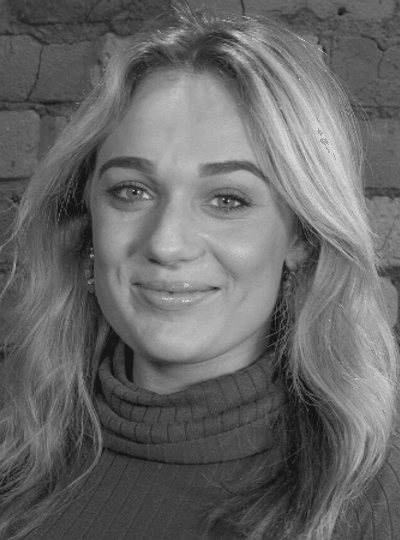
Charlotte Battersby
5 years specialising in Digital Acquisition recruitment across the North West, working with high-growth, client-side businesses to place the highest calibre Performance Marketing and SEO talent.

 View All Blog Posts





🚀 Ready for your next challenge?
Don't just read about the market. Lead it.


